Seeking ambitious and dedicated individuals who are ready to start new farmed animal welfare organisations in Southeast Asia.
What is an ‘Incubator’?
An incubator provides the right conditions that early-stage ideas need to grow into impactful organisations.
The Farmed Animal Welfare Incubator (FAWI) helps turn promising ideas into impactful nonprofits through funding, training, and hands-on support—from concept to launch—so you can create meaningful change for farmed animals in Southeast Asia.
Focus Areas
The Farmed Animal Welfare Incubator (FAWI) exists to nurture locally-based initiatives in Southeast Asia —to grow into high-impact organisations— aimed at improving the lives of animals raised in intensive food systems.
Our focus in this year’s programme is on layer hens and farmed fish. These animals are raised in intensive farms across Southeast Asia, yet their welfare remains significantly overlooked within the food production system.
We are on a mission to find more individuals in this region to help lead the change in addressing the welfare concerns of these animals, given how large the scale and how neglected these issues are – specifically in Indonesia, Vietnam, the Philippines, Thailand and Malaysia.
Layer Hens
-
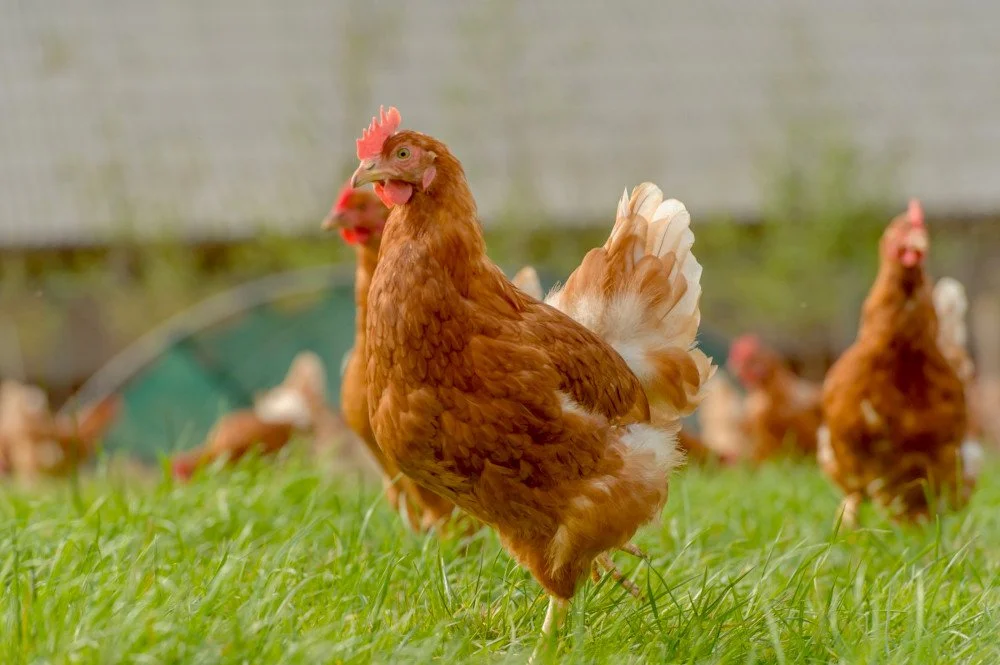
Over 860 million layer hens are kept across SEA, producing 200+ billion eggs annually, with the vast majority spending 12–18 months confined in battery cages.
-
Cage-free campaigns are among the most active farmed animal welfare interventions in the region, with 318 Asian companies having made commitments and multiple NGOs (e.g. Sinergia Animal, Humane World for Animals, Global Food Partners, Open Wing Alliance) actively campaigning, though implementation lags significantly.
-
Corporate commitment infrastructure is well-established and governments in Thailand, Indonesia, and the Philippines are actively developing cage-free standards, but the cost barrier, scale of transition, and low consumer willingness to pay remain substantial obstacles.
Layer hens represent one of the largest sources of farmed animal suffering in Southeast Asia by sheer numbers. Indonesia alone has around 430 million layer hens at any given time, while Vietnam, the Philippines, Malaysia, and Thailand each have approximately 80–120 million birds. The overwhelming majority are kept in barren battery cages with virtually no space to move, nest, perch, or express natural behaviours, and beak trimming without analgesia is routine.
Egg production is growing across the region, driven by urbanisation and rising incomes with average per capita consumption of over 200 eggs in SEA, but this growth has largely deepened reliance on caged systems due to their perceived cost efficiency. One of the promising pathways for impact is to engage the companies for corporate commitment to source cage-free eggs, creating downstream impact through producers switching to cage-free systems.
While over 300 Asian companies have made cage-free commitments and momentum in the region is building, these efforts still reach only a small fraction of birds relative to the industry’s scale—underscoring the need for greater progress. Targeted interventions that combine producer engagement, technical training, and alignment with corporate commitments can play a critical role in accelerating adoption and translating pledges into measurable welfare improvements.
Fish
-
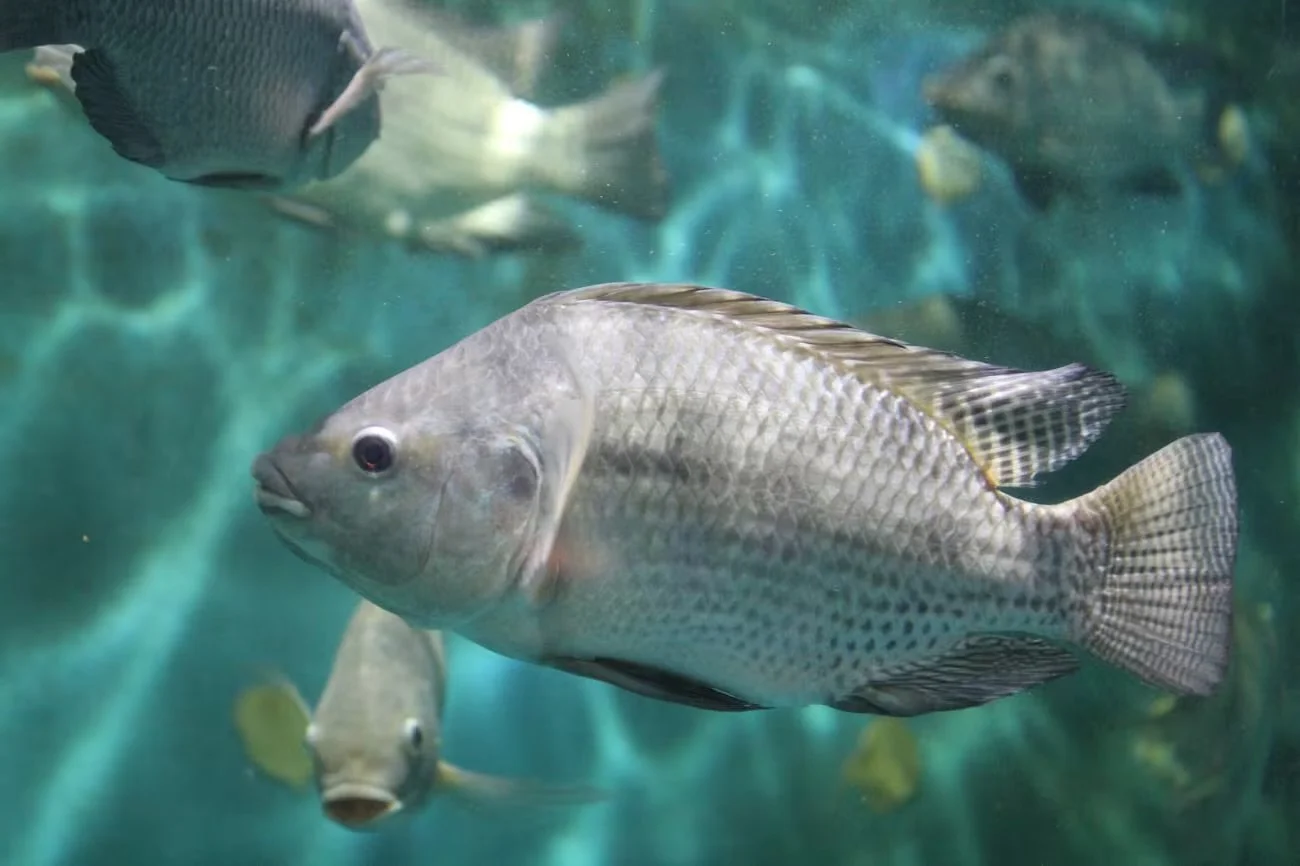
Indonesia and Vietnam alone rank among the world's top five aquaculture producers, with tilapia, pangasius, catfish, carp, and milkfish farmed across the region in vast quantities. Globally, an estimated 124 billion farmed finfish were slaughtered in 2019, with ~90% raised in Asia, making this one of the largest animal welfare issues by sheer numbers.
-
Fish welfare in SEA is almost entirely overlooked. Over 70% of farmed fish globally have no legal welfare protections, and all six countries lack enforceable humane slaughter requirements for fish. Existing policy frameworks (ASEAN GAqP, OIE guidelines, VietGAP) mention welfare only in passing with minimal enforcement.
-
Key interventions like water quality monitoring, aeration, stocking density and humane stunning, are technically proven and often deliver co-benefits for farmers (lower mortality, better product quality), providing natural entry points. However, the predominance of smallholder farms, lack of local welfare expertise, absent regulatory pressure, and low consumer awareness create significant adoption barriers and gaps to be covered.
Fish are sentient animals whose welfare can be compromised throughout their lives and at slaughter. On farms, conditions matter because suffering are often chronic: poor water quality, low oxygen levels, high stocking densities, stressful handling, and disease can affect fish continuously rather than occasionally.
At slaughter, many commonly used methods present serious welfare issues, often involving prolonged periods of pain before loss of consciousness, with observable indicators of poor welfare.
In Southeast Asia, farmed fish welfare is an emerging area of focus. There is a growing body of research on key species such as tilapia and pangasius, alongside efforts by welfare organisations and academic networks to better understand welfare challenges in the region. However, considering diverse farming systems in Southeast Asia, there remain gaps in region and system-specific research.
At the same time, there are practical areas where action can already make a difference. Improvements in water quality—such as managing dissolved oxygen, ammonia, and pH—as well as reducing stocking densities, are widely recognised as important for fish welfare. Advancing these areas will require not only technical guidance, but also strong producer engagement, farmer training, and support toward better standards and governance.
We identified Vietnam, the Philippines, and Indonesia as priority countries, with opportunities to improve welfare through water quality interventions and targeted capacity building. Bridging the gap between research and real-world implementation will be key to achieving meaningful, scalable impact.
The opportunity is immense: even small improvements, when applied across billions of fish, can meaningfully reduce suffering.
What this programme provides
-
𓆟
10 weeks of online sessions – including speaker talks and task activities – to equip participants with the knowledge, tools and skills to start an impact-focused nonprofit.
-
𓆟
2 weeks of in-person workshops and activities that support the participants with strategy development for their new initiatives.
-
𓆟
Access to network connections in the regional and global farmed animal protection space, to aid the participants’ chance of success in the launch of their nonprofit initiatives.
-
𓆟
Guidance from mentors who have experience as nonprofit entrepreneurs, as well as leaders in the farmed animal welfare movement in Asia and internationally.
-
𓆟
Seed funding of up to ~USD50,000 for each successful project proposal (at the end of the programme).
-
𓆟
Project ideas for the nonprofit initiatives – based on research on the types of potentially impactful farmed animal welfare initiatives to launch.
-
𓆟
Stipends for the participants to cover living costs and travel funding for in-person events during the programme.
-
𓆟
Co-founder matching for each participant to launch the new initiative together.
-
𓆟
One year of continued support after the incubation programme and the launch of the projects.
Meet the Initiatives
These initiatives were incubated and launched through the FAWI (2024) programme.
Both organisations are focusing on farmed ducks’ welfare in Southeast Asia.

Sentient Animals Vietnam
(SAV)
Co-founders:
Shreya Basu, Nguyen Tra My and Tran Le Thu Hang
SAV is an initiative dedicated to improving the welfare of ducks and other farmed animals in Vietnam by collaborating directly with farmers, helping them adopt kinder, more humane production practices, and engaging with corporations and government institutions to drive systemic change.
Across Species Project Indonesia
(ASPI)
Co-founders:
Dhiani Probhosiwi and Lolita Saras
ASPI serves as a new platform to address issues within the animal agriculture sphere, particularly those that significantly impact the suffering of neglected species in Indonesia. Through collaboration, strategic partnerships, and educational initiatives, they aim to drive long-term and systemic change. They strive to improve the living conditions of farmed animals and ensure that every individual is valued and treated with respect in the farming industry.

Ready to make a meaningful difference?
If you’re based in Southeast Asia and want to help build a more compassionate food system, our incubation programme supports you in launching a high-impact nonprofit based on carefully researched opportunities.
Apply now and take the first step toward improving the lives of farmed animals!

Application Process
Step 1
Application Form
The first step involves completing the application form, which provides essential information about your background, experience, and motivation.
Step 2
First Interview
Selected candidates will then be invited to participate in an interview. These interviews serve to understand more about the applicant and assess the fit for the programme.
Step 3
Test Task
Shortlisted applicants from the first interviews will proceed to undertake test tasks. These tasks aim to evaluate candidates' skills and capabilities.
Step 4
Second Interview
Based on the results of these tasks, candidates may be called for a final interview. This interview allows for further discussion of the details of the programme, clarifications to be made, and assessment of overall fit for the programme.
Step 5
Programme Offer
Successful candidates will be notified of their selection for the incubation programme by the end of July 2026.
FAQs
-
The Farmed Animal Welfare Incubator (FAWI) is a programme launched in 2024 by Welfare Matters. This incubation programme is dedicated to establishing locally-based initiatives aimed at improving the welfare of intensively-farmed animals in Southeast Asia—ultimately contributing to a more compassionate and sustainable food system.
The goal of FAWI is to catalyse impactful interventions that can significantly improve the lives of farmed animals through facilitating the development of early-stage projects.
Our focus within Southeast Asia encompasses five key countries: Indonesia, Vietnam, the Philippines, Thailand, and Malaysia. We target animals that are farmed at the greatest scale in this region.
Leveraging evidence-based research, FAWI offers insights into potentially effective intervention strategies as starting points.
This programme provides comprehensive support to passionate individuals committed to advancing farmed animal welfare–including extensive training, mentorship, access to networks, seed funding, practical guidance and other resources.
-
We started by looking at the animals that are farmed in extremely large numbers—often in the billions. This year, we included both land and aquatic animals in our initial scope—layer hens, broiler chickens, ducks, pigs, and fish.
We conducted research that combines evidence from animal welfare science and inputs from regional and global experts.
After mapping existing efforts and identifying the most promising opportunities to help the greatest number of animals, we are narrowing the focus on layer hens and farmed fish for FAWI (2026). Many experience chronic welfare issues that persist for most of their lives, and despite the scale of production, welfare efforts in these areas remain relatively under-addressed.
Given the early-stage nature of the field and the limited scope of our programme, we prioritise areas where new initiatives can have the greatest potential to make a meaningful impact when launched this year.
-
The 12-week incubation programme will start in early September and run until the end of November 2026. The programme is primarily conducted online, with the exception of a 2-week in-person component, which will take place in a country in Southeast Asia in October 2026.
These 12 weeks of the incubation programme are full-time (i.e. full-day participation from Monday to Friday).
Before the programme officially starts, confirmed participants will also be required to engage in four weekly (1.5h) preparatory sessions online in August 2026.
-
The 12-week incubation programme follows a structured format designed to provide participants with comprehensive support and guidance as they develop their initiatives. Most of the programme will be conducted online.
Throughout the programme, participants will engage in a variety of activities and learning opportunities tailored to accelerate the growth and success of their projects. This includes workshops, hands-on exercises, guidance in proposal writing and project development, as well as interactive sessions with animal welfare experts, organisation leaders and mentors.
The programme is carefully crafted to maximise learning, collaboration, and progress towards creating impactful solutions in the realm of farmed animal welfare. During the programme, participants will have the opportunity for in-person networking, enabling them to meet one another, exchange insights and build meaningful connections. Through this process, the participants will try to identify and find a co-founder in the cohort.
All incubatees will receive stipends to support their full-time participation.
For incubatees who are unable to find a co-founder match, they will not be able to continue after week 8. In these situations, the incubatees will be provided with another month of stipend and our team will aim to provide support for the transition in the next step of their career.
Those who are able to find a co-founder are required to submit a proposal for their initiative in the final weeks. Successful teams with their proposals accepted will receive a seed grant of up to USD50,000 for starting their nonprofit initiative.
-
The programme will be conducted entirely in English. Participants must have a strong command of both spoken and written English.
Ideally, the incubatees will also have a good command of the local language(s) of the country in which they will be starting their project.
-
We welcome individuals who are from or based in Indonesia, Vietnam, the Philippines, Thailand and Malaysia—and who meet the following criteria:
Commitment to farmed animal welfare: We seek individuals who are deeply committed to advancing the welfare of farmed animals in Southeast Asia.
Highly motivated and self-driven: Candidates should be highly motivated to conceive, launch and manage a farmed animal welfare initiative in the region.
Full-time dedication: Applicants should be prepared to devote themselves full-time to the programme, and be prepared to take time away from their current employment.
Impact driven: We value an evidence-based and impact-oriented mindset and seek those who are open-minded and receptive to feedback, and willing to adapt their approaches in addressing farmed animal advocacy challenges. Project proposals should be centred on evidence-backed interventions which have the potential to have a significant positive impact on a large number of animals.
Collaborative spirit: The incubatees need to be open to finding and collaborating with a co-founder from this programme.
Long-term commitment: Applicants should be prepared to commit at least one year to launch and implement their initiative, with the potential of developing it into an impactful long-term project.
Cultural awareness and sensitivity: A good understanding of the local culture and dynamics of the country in which the new initiative will be launched is advantageous.
Additionally, proficiency in spoken and written English is essential, as the programme is conducted entirely in English, and reference materials are provided in English.
No prior experience is required. We welcome candidates from diverse backgrounds and expertise.
-
In general, our priority is to find participants who are locally based and can start “on-the-ground” projects in this region.
However, if you are very interested in our programme and are not based in the target countries, you can still apply directly.
If we think that you could be a good fit for the programme, we will consider your application.
-
Finding a co-founder is a key part of the incubation process. Incubatees are encouraged to identify and partner with someone who complements their skills, shares their commitment to improving farmed animal welfare, and is aligned on the vision and approach for the initiative.
Ideally, co-founders would be from the same country but it is not always necessary. It is important that the founding team is able to effectively work in the country where they intend to address the farmed animal welfare issue—taking into account factors such as understanding the local contexts, and ability to relocate to or travel frequently to the country in which their project is based to work together.
Forming a strong founding team is an important part of the incubation process and is essential for progressing in the programme. Incubatees who are unable to form a team will not be able to proceed beyond week 8 of the programme. Incubatees need to have a co-founder in place and to develop a clear strategy, which is formalised through a proposal that is reviewed and accepted in the final weeks of the incubator.
-
This incubation programme is meant for creating entirely new organisations, and we are not able to accept incubatees wanting to grow their existing organisations (i.e. this is an incubator, not an accelerator programme).
-
Participants should anticipate dedicating themselves to the main 12-week programme with a commitment similar to that of a full-time job. (Refer to questions 3 and 4 for more details.)
Upon completing the incubation programme, incubatees who are successful with their proposals accepted will be awarded a seed grant of up to USD50,000. The founding team should be ready to commit to working on their new project on a full-time basis for at least a year.
-
If you are interested in both our fellowship (SEAFAWF) and incubation (FAWI) programmes, you can apply for both of them this year. (Note that the fellowship programme application closes on 12 April 2026.)
SEAFAWF is mostly aimed at those who may be newer to the farmed animal welfare movement, and are interested in exploring a career in farmed animal advocacy. The fellowship runs once a year. It is conducted once a week (1.5h session) for 14 weeks. Fellows are usually interested in working in this space—for an organisation—after the programme.
FAWI is aimed at those who are interested in launching their own nonprofit organisation to address farmed animal welfare advocacy in this region. We will likely run this incubator once every two years. This is a full-time programme that is conducted over 12 weeks. Incubatees who are able to find a co-founder and have their proposal accepted are able to receive a seed grant to launch their initiatives. If this is successful beyond the first year, the co-founders will continue to raise their own funding to grow their work targeting a farmed animal welfare issue in one of the countries in Southeast Asia. This helps the movement increase the interventions and work for the billions of animals farmed in this region.
-
The application process for the incubation programme consists of five stages designed to select the most promising candidates:
Application Form: The first step involves completing the application form, which provides essential information about your background, experience, and motivation.
First Interview: Selected candidates will then be invited to participate in an interview. These interviews serve to understand more about the applicant and assess the fit for the programme.
Test Tasks: Shortlisted applicants from the first interviews will proceed to undertake test tasks. These tasks aim to evaluate candidates' skills and capabilities.
Second Interview: Based on the results of these tasks, candidates may be called for a final interview. This interview allows for further discussion of the details of the programme, clarifications to be made, and assessment of overall fit for the programme.
Notification of Selection: Successful candidates will be notified of their selection for the incubation programme by the end of July 2026.
We encourage all those who are interested to keep checking our website and newsletter announcements for specific application dates and further details on the process.
-
There is no application fee — the programme is provided completely free of charge.
Last updated: 7 April 2026
We will continue to update this FAQ list with more information.
If you have any questions about the programme, you can reach out to us at fawi@welfarematters.org.